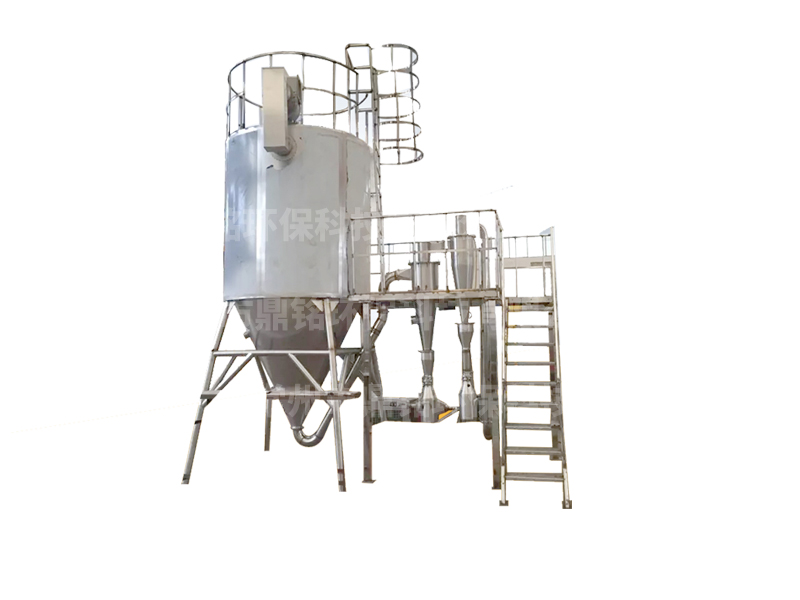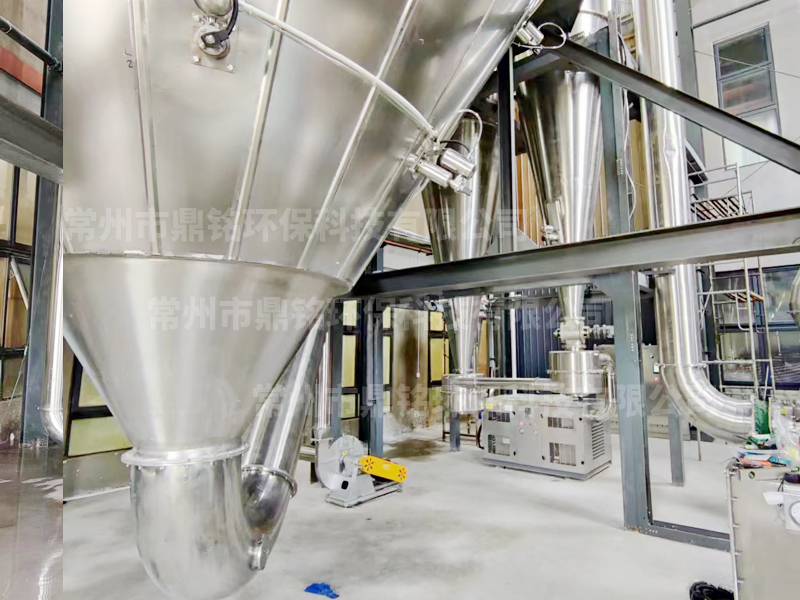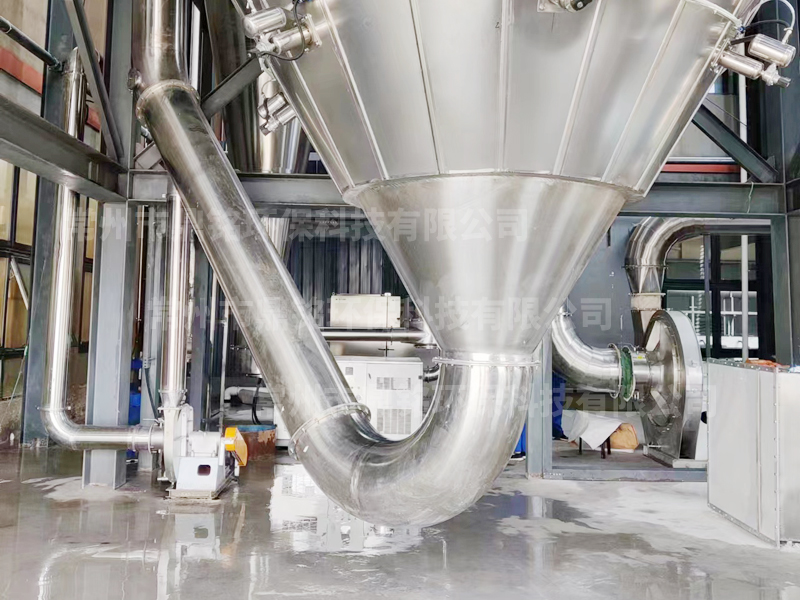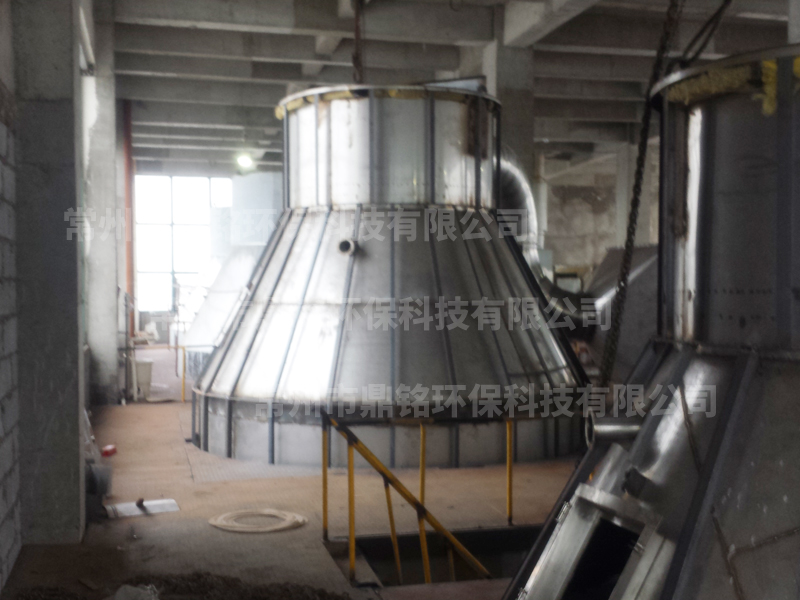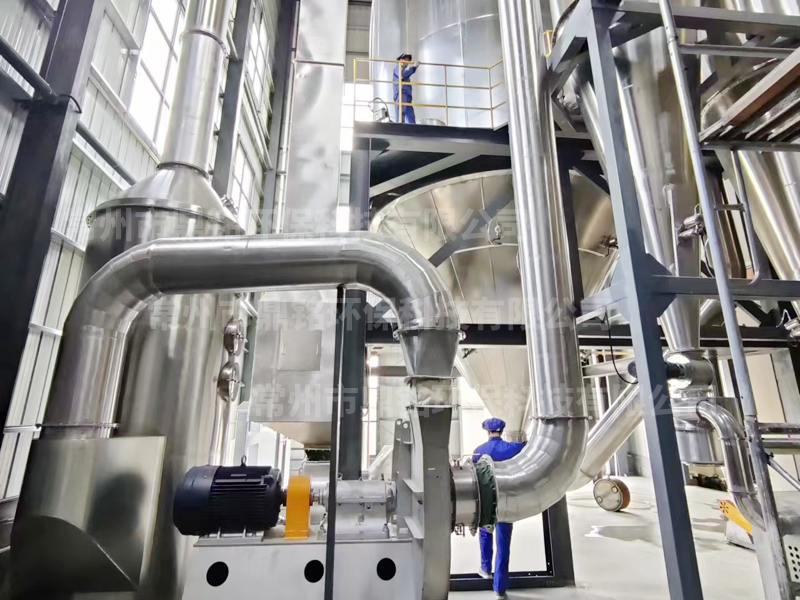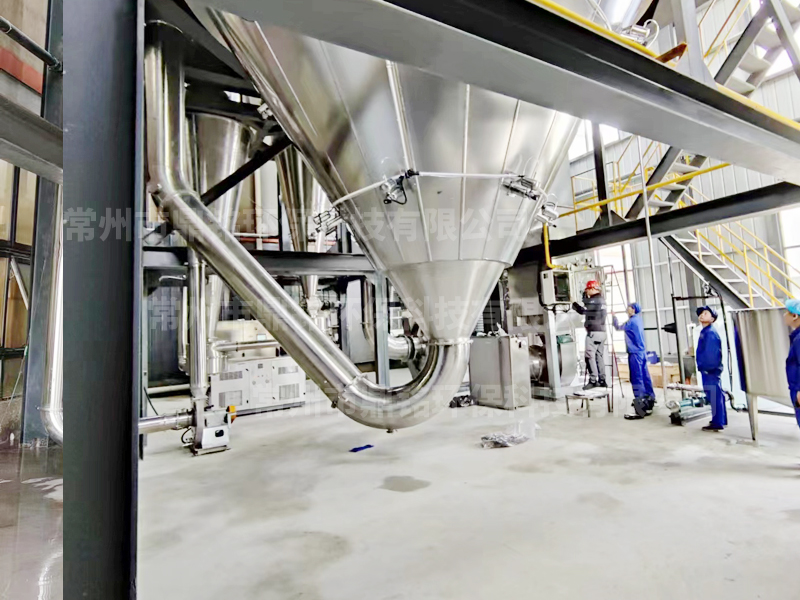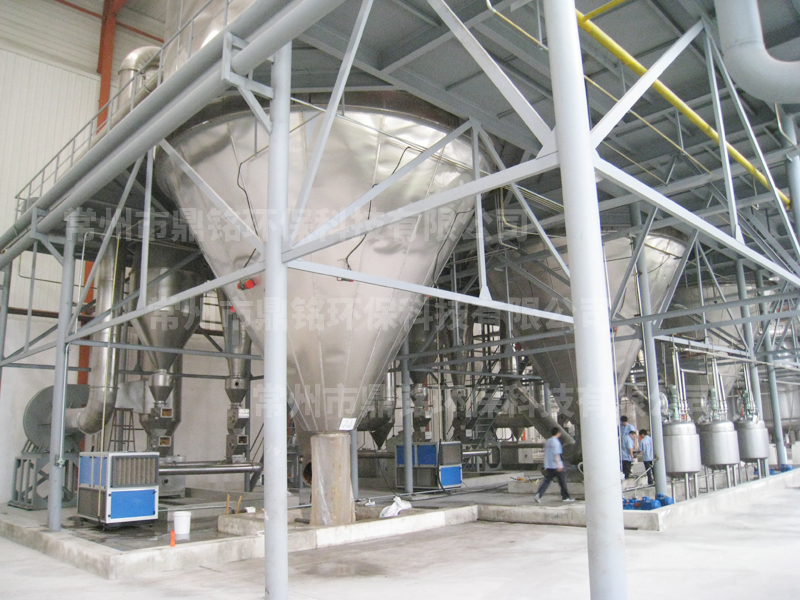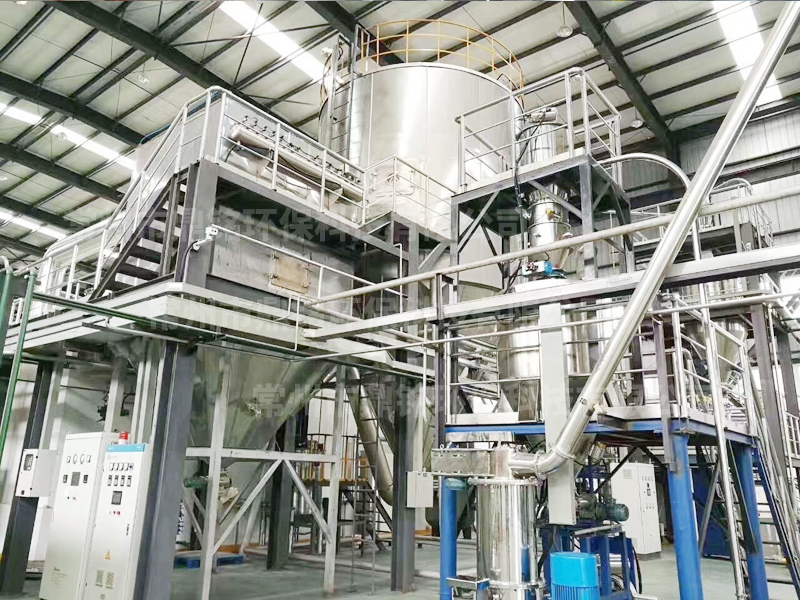
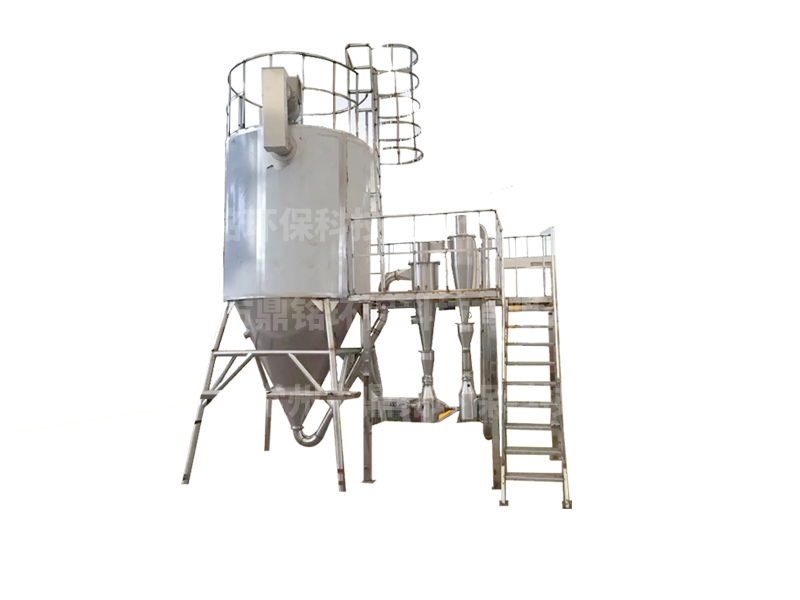
The high-speed centrifugal spray dryer is a widely used process in liquid forming technology and the drying industry. It is suitable for producing powdered and granular solid products from raw materials such as suspensions, solutions, lotions, and paste-like liquids. Therefore, when the particle size distribution, residual moisture content, bulk density, and particle shape of the finished product meet precise standards, the spray dryer is an excellent drying process.
1. Contact between hot airflow and spray droplets: When a sufficient amount of hot airflow enters the spray drying chamber, it is necessary to consider the direction and angle of the hot airflow, whether it is cocurrent, countercurrent, or mixed flow, to ensure sufficient contact with the spray droplets for adequate heat exchange.
2. Atomization: The atomization system of the spray dryer must ensure uniform droplet size distribution, which is crucial. Only in this way can the product quality pass rate be ensured.
3. Design of pipeline angles and cone angles: We have obtained some empirical data from the production of nearly a thousand spray drying units, which we can share with you.
1. Spray drying is fast. After the material liquid is atomized, its surface area is greatly increased. During the contact with hot air, 95%-98% of the water can be evaporated instantly, and the drying time is only a few seconds, making it particularly suitable for the drying of heat-sensitive materials.
2. The product exhibits good uniformity, fluidity, and solubility. The higher the purity of the product, the better its quality.
3. The production process of the spray dryer is simplified, and the operation control is convenient. For liquids with a moisture content of 40-60% (up to 90% for special materials), they can be dried into powder products in one go, without the need for crushing and screening after drying, reducing production steps and improving product purity. The particle size, bulk density, and moisture content of the product can be adjusted within a certain range by changing the operating conditions, making control and management very convenient.
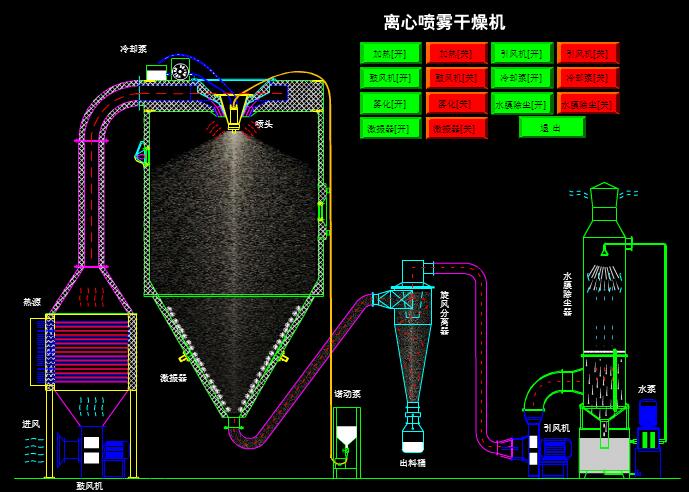
The spray dryer operates in an open-loop, cocurrent, and centrifugal atomization system. The drying medium, air, is filtered through primary and medium-efficiency air filters, then drawn by a blower according to operational instructions. It is heated by a heater and enters the main spray drying tower through a hot air distributor equipped with a high-efficiency filter. According to operational instructions, the liquid material passes through a peristaltic pump and enters a high-speed rotating centrifugal spray head, where it is dispersed into small droplets under the influence of centrifugal force. Within the main spray drying tower, the small droplets come into full contact with the hot air and undergo heat exchange along a specific path, drying into a product. The product is then separated by a cyclone separator, with solid material collected and gaseous medium filtered and discharged. The entire spray system is easy to clean, free of dead spaces, and complies with GMP requirements.
Chemicals: polyaluminium chloride, disperse dyes, reactive dyes, organic catalysts, white carbon black, laundry detergent powder, zinc sulfate, silicon dioxide, sodium metasilicate, potassium fluoride, calcium carbonate, potassium sulfate, inorganic catalysts, various waste liquids, etc.
Food: amino acids, vitamins, egg powder, bone powder, seasonings, protein, milk powder, pig blood powder, soy sauce powder, coffee, tea, glucose, potassium sorbate, pectin, essence, vegetable juice, yeast, starch, etc.
Ceramics: alumina, zirconia, magnesia, titanium oxide, magnesium titanate, clay, china clay, various ferrites, metal oxides, etc.
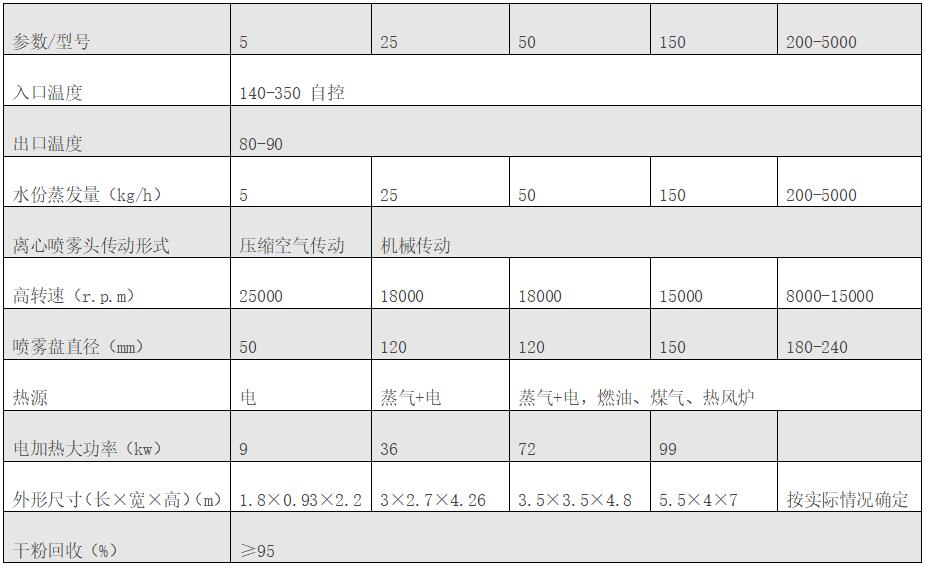
Note: The amount of water evaporation is related to the characteristics of the material, as well as the hot inlet air and outlet temperature. When the outlet temperature is 90oC, the water evaporation curve is shown in the above figure (for model selection reference). Due to continuous product updates, relevant parameters may change without prior notice.
1. Name and physical properties of the feed solution: solid content (or water content), viscosity, surface tension, pH value.
2. Powder capacity after drying, allowable residual moisture content, particle size, and maximum allowable temperature.
3. Production volume and daily shift start time.
4. Available energy sources: steam pressure availability, electricity capacity, and available coal, oil, and gas quantities.
5. Control requirements: Whether the inlet and outlet temperatures need to be automatically controlled.
6. Powder collection requirements: Whether to install a bag filter, and environmental requirements for exhaust emissions.
7. Other special requirements.
Previous:none!