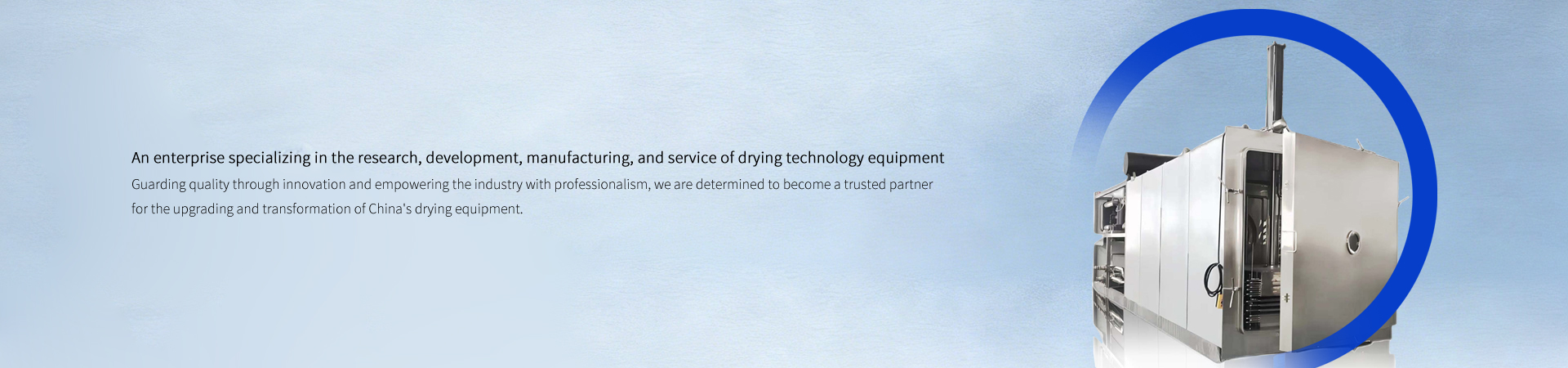
The core function of a dryer is to quickly remove moisture from materials, and achieve preservation, processing optimization, and quality improvement by reducing the moisture content.
1. Moisture Removal: Through the application of heat energy, a dryer can efficiently evaporate the internal moisture of materials and expel the wet gas. For instance, in food processing, it can reduce the moisture content of fruits and vegetables from approximately 80% to 15%-20%, transforming them into portable snacks or semi-finished raw materials.
2. Material Preservation When the water activity is below 0.6, microbial growth is inhibited. If the moisture content of dried grains is controlled below 14% and combined with appropriate storage conditions, the storage period can be extended to 2-3 years, avoiding mold spoilage and loss.
3. Optimization of Processing Adaptability: Plastic particles typically need to be dried to a moisture content of less than 0.02% before injection molding. In this state, the stability of the melt flow index (MFI) is improved by 35%-50%, preventing defects such as silver streaks or bubbles on the surface of injection molded parts.
4. Product Quality Control In the electronics industry, drying treatment can reduce the moisture content of PCB boards to below 0.1%, significantly reducing the board cracking rate from 8% to below 0.5% during reflow soldering, thereby greatly enhancing product reliability.
Previous:none!
Next:What are the characteristics of the drying method of a spray dryer